
If you are wondering why laptop prices feel higher and choices are more confusing, the short answer lies in rising component costs and the industry shift toward AI hardware. This reality is reshaping how we buy technology. Supply chain adjustments, memory price fluctuations, and the integration of specialized neural processors have all contributed to a market where value is harder to find. As we move through the middle of 2026, both buyers and tech advisors are feeling the strain of these economic and technological pressures.
The Component Cost Crisis
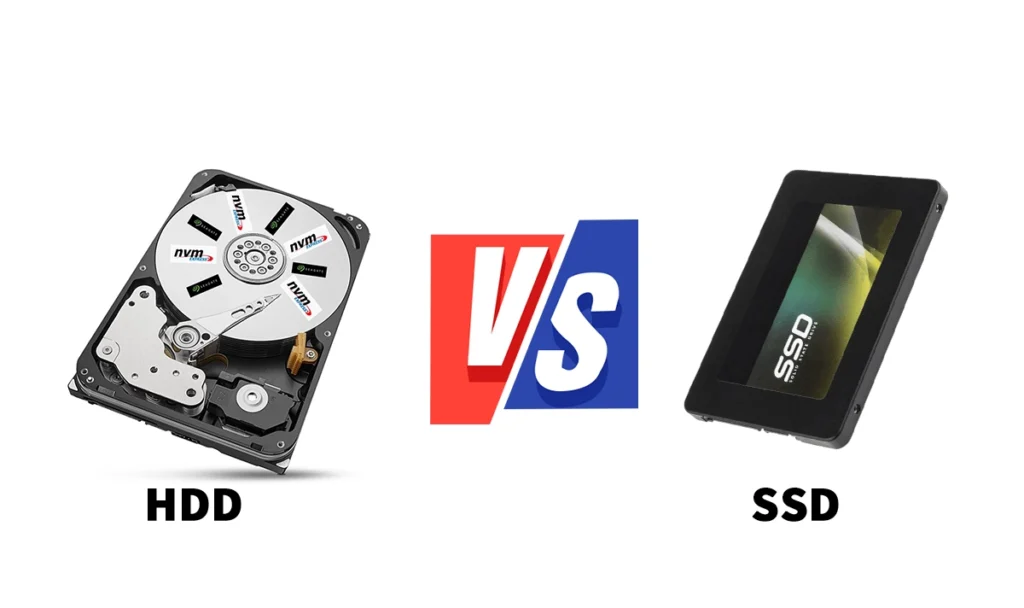
The foundation of every laptop is its internal hardware. Throughout 2025 and into 2026, the costs of essential components have seen significant volatility. DRAM and NAND flash memory prices have climbed after a period of stability. This directly impacts the final retail price of any machine with upgraded RAM or storage.
Manufacturers like Dell, HP, and Lenovo face higher production costs. They pass these expenses to consumers to maintain margins. According to market analysis from firms like IDC, the average selling price for premium laptops has increased by approximately 15 percent over the last two years. This is not just inflation. It is a structural change in how computers are built.
The AI Premium
A major driver of cost in 2026 is the requirement for AI readiness. Modern operating systems now rely heavily on local neural processing units. These NPUs require specific silicon architecture that is more expensive to produce than standard CPUs.
Buyers are now paying for hardware they might not fully utilize yet. This creates a dilemma. You must pay for AI capabilities to ensure future proofing, even if your current workflow does not need it. This adds a premium to mid-range and budget devices that did not exist three years ago.
How This Hits Your Wallet
For the average consumer, the impact is straightforward. You get less for your money. A laptop that cost $1,000 in 2024 might offer lower specifications today for the same price.
- Entry-level models often use older processors to keep costs down.
- Mid-range models have seen the steepest price hikes due to AI requirements.
- Premium models are pushing past $2,000 for configurations that were previously standard.
This forces buyers to compromise. You might have to choose between better build quality or better internal specs. It is rare to find a device that excels at both without exceeding a strict budget.
Why Recommendations Are Harder Than Before
For tech enthusiasts and advisors, recommending a laptop has become increasingly complex. In the past, we could point to a specific model as the best value king. That model would remain relevant for months. Today, the landscape shifts too quickly.
Rapid Obsolescence
Hardware standards are evolving at a fast pace. A laptop bought today might lack the NPU power required for software updates next year. This makes it difficult to suggest a device with confidence for long-term use.
Fragmented Market
Manufacturers are releasing multiple variants of the same chassis. One version has the new AI chip, while another uses older stock to clear inventory. It is easy for buyers to purchase the wrong version by mistake. This confusion makes simple recommendations risky.
Value is Subjective
What constitutes value has changed. Some users prioritize battery life enhanced by AI efficiency. Others prioritize raw performance. There is no longer a one-size-fits-all recommendation. Advisors must now ask detailed questions about workflow before suggesting a purchase.
Strategies for Smart Buying
Despite these challenges, you can still find good deals. You need to adjust your strategy to match the current market conditions.
- Identify Your Needs: Determine if you actually need the latest AI features. If you do basic tasks, a previous generation model may offer better value.
- Watch for Sales: Retailers are still clearing out non-AI inventory. These deals offer high performance for lower prices if you do not need specific neural features.
- Prioritize Upgradeability: Look for laptops that allow RAM and storage upgrades. This extends the life of the device and offsets the higher initial cost.
- Consider Refurbished: Business-grade refurbished laptops from 2024 and 2025 are excellent value. They were built to last and often cost half the price of new equivalents.
The Future of Laptop Pricing
Industry experts suggest prices may stabilize late in 2026 or early 2027. This depends on supply chain normalization and manufacturing yields for new chip architectures. Until then, patience is key.
The era of cheap, high-performance laptops is paused. We are in a transition period where technology is advancing faster than cost efficiency. By understanding these market forces, you can make informed decisions that protect your wallet. You do not need to buy the newest model to have a great experience. Focus on what works for your specific tasks rather than chasing the latest specs.